
Whoa! I opened Rabby the first time and felt oddly relieved. The UI wasn’t trying too hard, and that small detail mattered a lot to me. At first glance I thought this was another chrome wallet clone, but then I poked around and my gut said there was more going on under the hood. That first impression stuck with me as I dug deeper into approvals, gas estimates, and the weird little tricks that trip people up in DeFi.
Whoa! Seriously? The approval flow alone makes you pause. Most wallets let you approve infinite allowances without blinking, and that bugs me. Rabby puts approvals front and center, so you see what’s granted to what dapp — and that nudged me into safer habits pretty fast. My instinct said “finally,” though I’m not 100% sure it’s foolproof for everyone.
Whoa! Hmm… the transaction simulation feature is a real timesaver. It shows potential errors and reverts before you sign, which cuts down on costly mistakes. Initially I thought that would be slow and flaky, but actually the simulations often catch obvious failpoints, especially with complex DeFi interactions. On one hand it saved me from a sushi-swap mishap, though actually I still double-check because no tool is perfect. That little extra step reduced my stress around approving big ops by a surprising margin.
Whoa! Here’s a tiny confession: I’m biased toward tools that help me manage risk as much as convenience. Rabby nudges users away from mindless “approve all” behavior, and that aligns with how I approach on-chain safety. There’s an approvals manager that lists allowances per contract, and you can revoke them — quick and direct. It feels like permission hygiene, which is very very important when you play across chains. Oh, and by the way… the UI shows token-level details so you actually know what you revoked.
Whoa! The multi-chain support is solid and practical. You can hop between Ethereum, BSC, Polygon and other EVM chains without reinstalling different extensions. Walletconnect works for some mobile flows, and hardware integration (like Ledger) is supported for those who want an extra safety layer. Initially I thought chain-hopping would be messy, but Rabby made it pretty seamless, though there are occasional quirks with RPC endpoints. I’m not 100% sure how it handles obscure testnets, but for mainnets it was clean.
Whoa! Seriously, the gas customization surprised me in a good way. You get editable gas price fields and helpful defaults, which matters when mempools swing. That one small control saved me on a congested day when faster txs would have cost a fortune without it. On the flip side, if you’re new you might tweak things the wrong way — and I’ve done that, sigh. Still, the balance between power and usability is thoughtful.
Whoa! The swap integrations are pragmatic and non-flashy. Rabby uses aggregators to try and give better rates, though sometimes slippage still bites you. I initially assumed all on-extension swaps were bad value, but Rabby narrowed the gap enough to make it convenient for small-to-medium trades. For large trades I’d route through a dedicated aggregator or DEX dashboard, but for quick swaps it hits a sweet spot. I’m careful, though — you should be too.
Whoa! Check this out — the permission prompts feel human-first. They summarize the intent of a transaction in plain language, instead of showing a wall of hex and gas units. That matters when you’re connecting to new dapps or testing unfamiliar flows. My instinct said “this will reduce accidents,” and my experience validated that hunch several times. Seriously, that UX detail lowers cognitive load when interacting with complex DeFi contracts.
Whoa! The portfolio view is simple but useful for day-to-day glance checks. It won’t replace full portfolio managers, though it gives you token balances across chains so you can see where your assets live. I like seeing assets grouped by chain because it stops me from accidentally transacting on the wrong network. On one hand it’s minimalist, and on the other, it’s enough for most casual-to-active DeFi users. If you need heavy analytics you’ll pair it with other tools.
Whoa! Security-wise, Rabby is non-custodial and the seed phrase flow is standard, with options to import or create wallets. They also support hardware keys which I use for bigger balances. Initially I thought “another extension, another risk,” but the team seems to focus on limiting attack surface with permission prompts and safer defaults. That said, browser extensions inherently carry risk (extensions can be compromised), so I keep larger sums offline when possible. I’m not perfect about that, but I try.
Whoa! The dev experience and dapp compatibility felt better than average. As someone who tests integrations, I noticed fewer breakages compared to older wallets. Rabby exposes consistent RPC behavior and reports errors in a way that helps debug failures. On the other hand, some complex dapps with non-standard calls still require fallback steps. So yeah, it’s improved interoperability, but not magical — yet.
Whoa! Okay, so check this out — I sometimes test new wallets back-to-back and watch how they handle approvals and simulations. Rabby stood out when I wanted quick revocations and clearer transaction descriptions. I’m biased, but the daily ergonomics of approving or rejecting something matters more than flashy feature lists. Also, somethin’ about not being nickeled-and-dimed by hidden settings just feels right. Trailing thoughts… I kept going back because it made risk management simple.
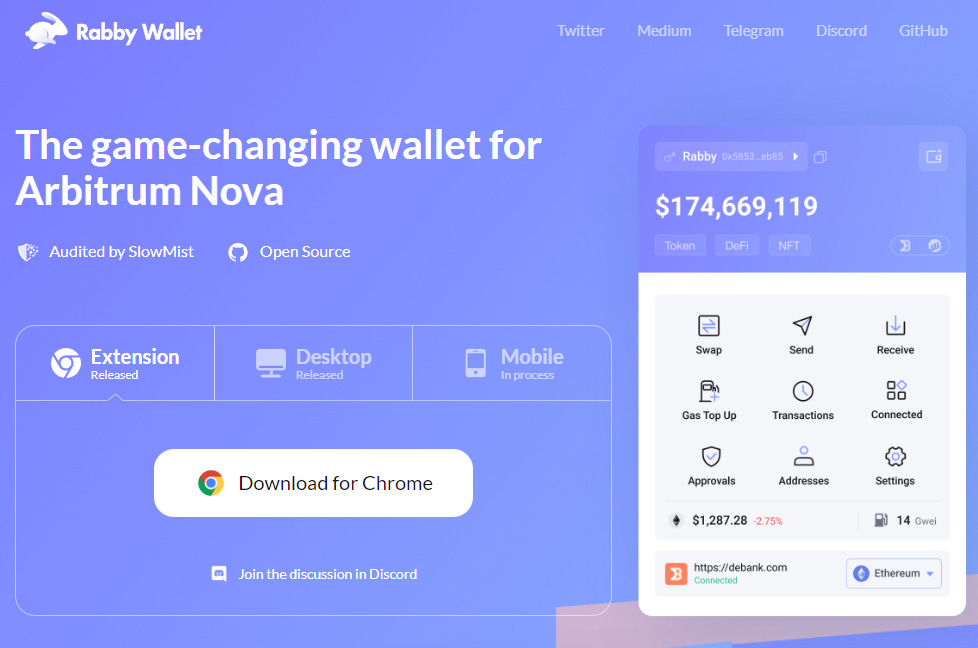
How I recommend using rabby wallet for everyday DeFi
Whoa! If you try rabby wallet start with small actions: connect to a single dapp and inspect the approval request. Seriously, treat it like checking a bill before signing. Then use the approvals manager to revoke any token allowances you don’t recognize or no longer need. Initially I thought that process would be tedious, but in practice it took two minutes and gave me peace of mind. Over time that habit prevents many headaches.
Whoa! Use hardware keys for main holdings and keep a separate hot wallet for active trades. That split reduces blast radius if an extension is compromised. On one hand it adds a step, and on the other, it’s a small friction that buys lots of safety. I’m not saying this is perfect security — nothing is — but the tradeoff is worth it for me. Also, keep backups and test restores (yes, test them) so you actually can recover if needed.
Whoa! For power users, pair Rabby with a transaction-sandboxing workflow. Build transactions in testnets or use small staged transactions before moving larger amounts. The simulation feature helps but does not catch every possible on-chain outcome, so a staged approach reduces downside. On rare occasions I’ve still had to intervene mid-flow, which taught me to be humble about confidence in tech. Okay, so admit mistakes early and iterate.
Whoa! Final quirky thought: Rabby feels like a utility player rather than a showy all-in-one app. It helps you do core wallet things very well, instead of pretending to do everything. That focus is refreshing. I’m not 100% certain they’ll be the default for everyone, but for people who trade, interact with many dapps, or manage approvals, it should be on your shortlist. Seriously — give it a moment and see if your workflow feels cleaner.
FAQ
Is Rabby Wallet safe for DeFi activities?
Whoa! Safety is relative but Rabby stacks useful protections: clear approvals, transaction simulations, and hardware key support. Use best practices — hardware for big sums, revoke allowances, keep seed phrases offline — and Rabby can reduce common risks. I’m biased, but the UX nudges help make safer choices the easier choices.
Does Rabby support multiple chains?
Whoa! Yes — Rabby supports major EVM chains and makes switching manageable, though exotic testnets or very obscure chains may need manual RPC addition. For most users the built-in chains will cover routine DeFi, NFTs, and bridging activities.